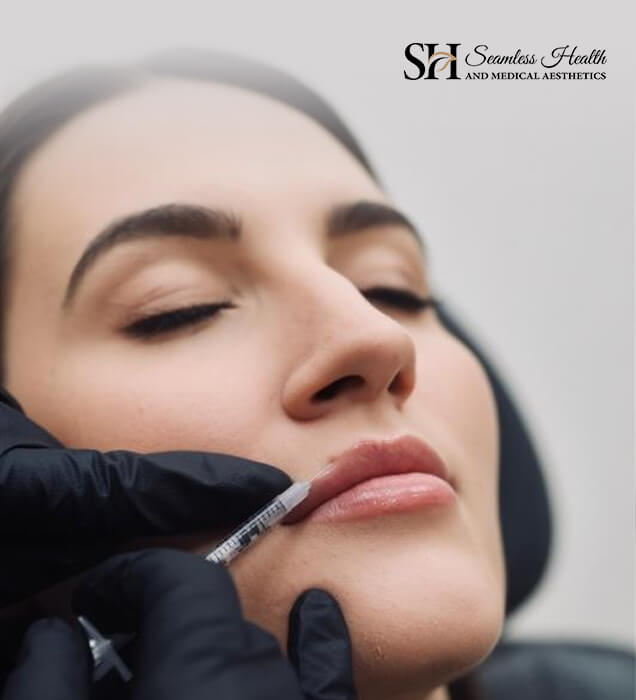
- Dermal fillers are injectable gels, most often hyaluronic acid, used to restore volume, improve facial balance and support aging skin.
- Most hyaluronic acid fillers last 6 to 18 months depending on the product, the area treated, your metabolism, facial movement and lifestyle.
- They do not stop aging or replace skincare. Natural results depend on full face assessment, product choice, technique and a conservative philosophy.
Dermal fillers are among the most requested aesthetic treatments in Canada and among the most misunderstood. Between social media trends and misinformation, it’s easy to feel unsure about what fillers actually do, whether they’re safe, and if they’ll look natural.
As a Nurse Practitioner-led aesthetic clinic, we believe education should always come before treatment. This guide clearly and honestly breaks down dermal fillers, so you can make informed, confident decisions about your face.
What Are Dermal Fillers?
Dermal fillers are injectable gels most commonly made of hyaluronic acid (HA), a substance naturally found in the body that helps retain moisture and support skin structure.
When used appropriately, dermal fillers can:
- Restore lost volume
- Improve facial balance
- Support aging skin
- Enhance natural features (not change them)
At Seamless Health, fillers are used as part of a full-face strategy, not as isolated fixes.
Common Areas Treated With Dermal Fillers
Dermal fillers can be used in many areas, including:
- Cheeks
- Lips
- Jawline
- Chin
- Nasolabial folds
- Tear troughs (under-eye area)
- Temples
The key is appropriate product selection, precise placement, and conservative dosing, all of which require advanced anatomical knowledge.
What Dermal Fillers Do Not Do
Fillers are powerful tools, but they are not magic.
They do not:
- Stop aging
- Replace good skincare
- Replace collagen-stimulating treatments
- Fix poor skin quality
- Create permanent results
Understanding these limitations is essential for safe, ethical treatment planning.
Will Dermal Fillers Look Natural?
Natural results depend on:
- Injector training and experience
- Facial assessment (not just treating one area)
- Product choice
- Injection technique
- Conservative philosophy
Overfilling occurs when fillers are used to chase lines rather than to address structural aging and volume loss. A nurse practitioner-led approach focuses on balance, proportion, and long-term outcomes.
How Long Do Dermal Fillers Last?
Most hyaluronic acid fillers last 6-18 months, depending on:
- The product used
- Area treated
- Metabolism
- Facial movement
- Lifestyle factors
Fillers gradually break down over time; they do not “sit forever” when placed properly.
Are Dermal Fillers Safe?
When administered by a qualified medical professional, dermal fillers are considered safe; however, they are medical procedures, not beauty treatments.
Safety includes:
- Thorough consultation and medical history
- Deep understanding of facial anatomy
- Appropriate product selection
- Knowledge of complication management
- Ability to dissolve filler if needed
This is why choosing an experienced, medically led clinic matters.
What to Expect During Your Consultation
Your consultation is the most important part of your filler journey.
At Seamless Health, we:
- Perform a full-face assessment
- Discuss your goals and concerns
- Explain options honestly (including when filler isn’t the best choice)
- Create a personalized treatment plan
- Focus on subtle, progressive results
You should never feel rushed or pressured into treatment.
Aftercare & Results
Downtime
- Mild swelling or bruising is normal
- Most clients return to daily activities immediately
- Final results settle over 2-4 weeks
Maintenance
Fillers work best as part of a long-term plan that may include:
- Neuromodulators
- Biostimulators
- Energy-based treatments
- Medical-grade skincare
Why Choose a Nurse Practitioner for Dermal Fillers?
A Nurse Practitioner brings:
- Advanced medical training
- Prescribing authority
- Diagnostic and Ultrasound skills
- Strong ethical framework
- Focus on safety and patient education
At Seamless Health, our goal is never to sell treatments; it’s to guide patients toward what makes sense for their face.
Is Dermal Filler Right for You?
Dermal fillers can be an excellent option for:
- Restoring volume
- Enhancing facial balance
- Supporting age-related changes
The best way to know is through a professional consultation with a provider who prioritizes education, safety, and natural outcomes.
Book a Dermal Filler Consultation in Stouffville or Toronto
If you’re considering dermal fillers and want a thoughtful, medically guided approach, we’re here to help.
Seamless Health & Medical Aesthetics
Natural results. Medical expertise. No pressure.
Frequently Asked Questions
How long do dermal fillers last?
Most hyaluronic acid fillers last 6 to 18 months, depending on the product used, the area treated, metabolism, facial movement and lifestyle factors. Fillers gradually break down over time, they do not sit forever when placed properly.
Will dermal fillers look natural?
Natural results depend on injector training and experience, facial assessment rather than treating one area in isolation, product choice, injection technique and a conservative philosophy. Overfilling happens when fillers are used to chase lines rather than address structural aging and volume loss.
Are dermal fillers safe?
When administered by a qualified medical professional dermal fillers are considered safe, but they are medical procedures rather than beauty treatments. Safety includes thorough consultation and medical history, deep understanding of facial anatomy, appropriate product selection, complication management and the ability to dissolve filler if needed.
Which areas can be treated with dermal filler?
Cheeks, lips, jawline, chin, nasolabial folds, tear troughs and temples. The key is appropriate product selection, precise placement and conservative dosing.
What is recovery like after filler?
Mild swelling or bruising is normal, most clients return to daily activities immediately, and final results settle over 2 to 4 weeks.