- No, you do not have to keep getting Botox forever.
- Movement returns gradually around 8 to 12 weeks after your last treatment, and your lines return to the way they were. They do not come back worse.
- There is no penalty for stopping, and you can restart at any time.
Botox is not permanent
The “worse wrinkles” myth
What actually happens
Why long term users age well
Reasons clients pause
FAQs
One of the most common questions we hear in the clinic is: “If I start Botox… do I have to keep doing it forever?”
Short answer: No.
Long answer: what happens when you stop Botox is often misunderstood, and much less dramatic than social media makes it sound.
If you’re considering Botox or already love your results but worry about stopping one day, here’s exactly what to expect.
First: Botox Is Not Permanent
Botox (neuromodulator) works by temporarily relaxing targeted facial muscles that create expression lines, such as:
- Frown lines (“11s”)
- Forehead lines
- Crow’s feet
- Bunny lines
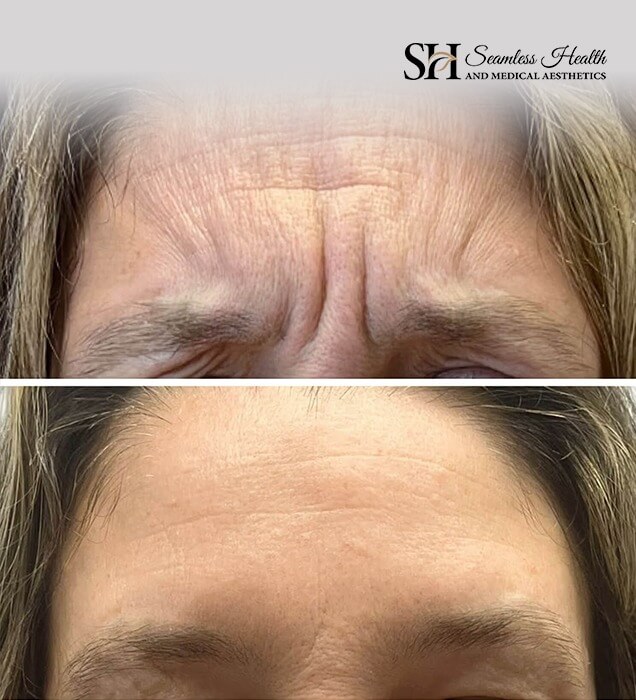
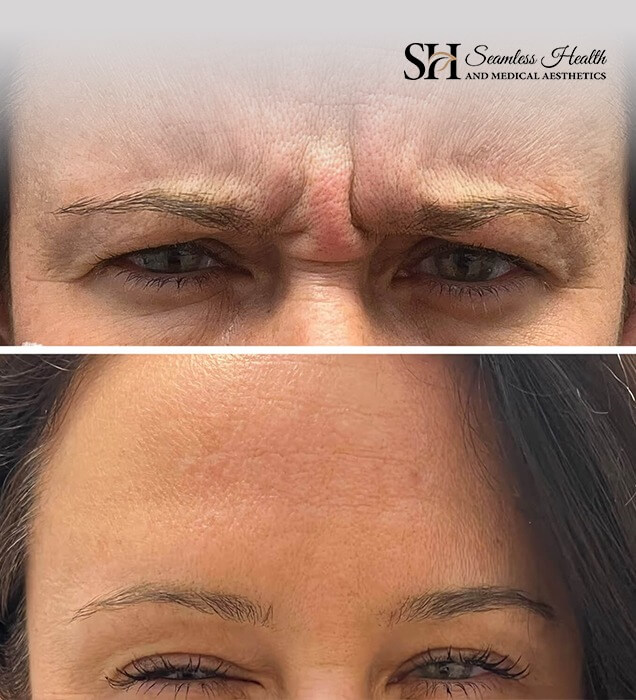
Results typically last 3 to 4 months. Once it wears off, muscle movement gradually returns to normal. That’s it. No rebound. No worsening.
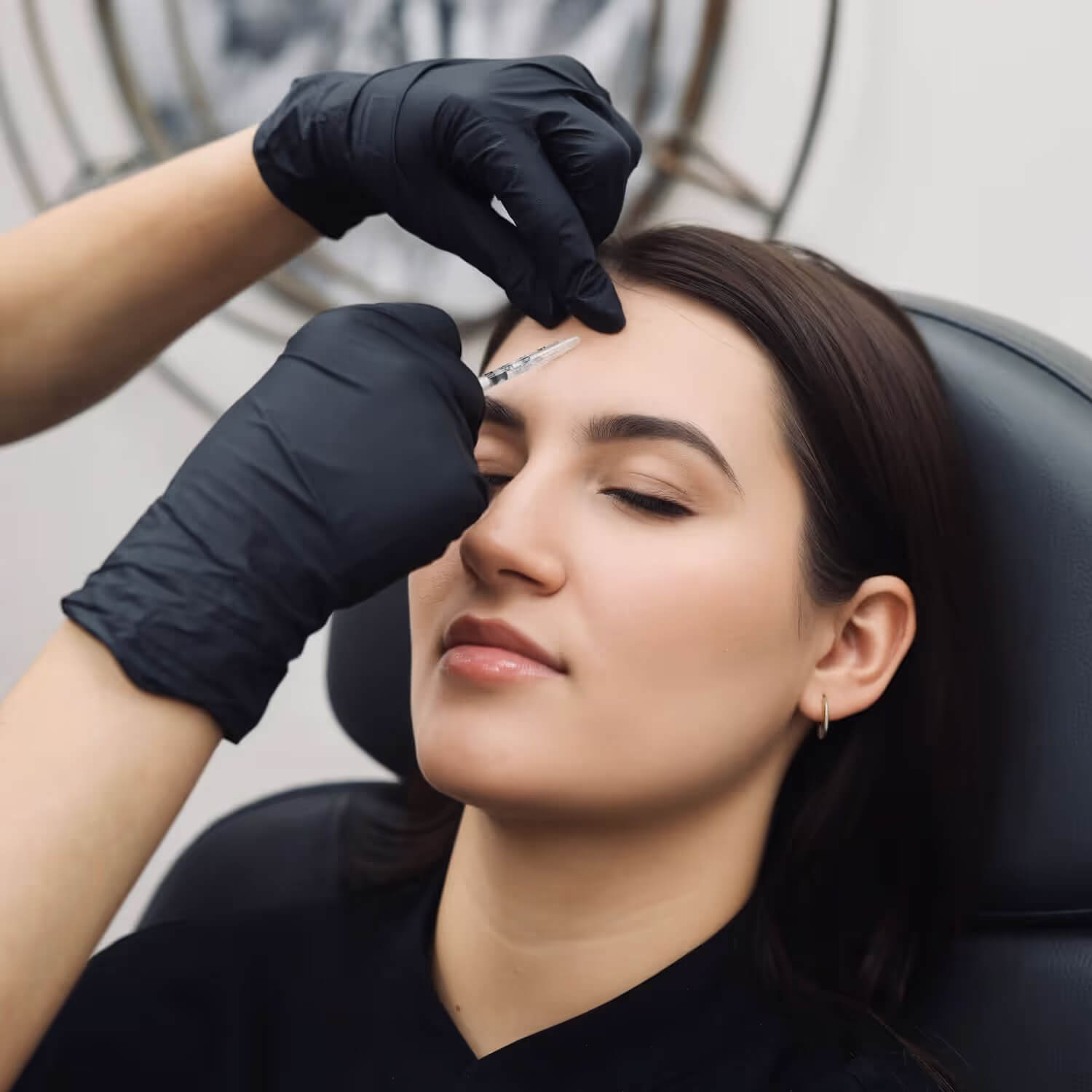
Myth: “My Wrinkles Will Come Back Worse”
This is the biggest fear, and it’s simply not true.
If you stop Botox:
- Your muscles return to their natural movement
- Your skin returns to its baseline aging process
- You will look at how you would have looked if you never started
Botox doesn’t make wrinkles worse. In fact, many clients look better long-term because Botox prevented deep lines from forming while they were using it. Think of it like wearing sunscreen for years; your skin ages better during that time.
What Actually Happens When You Stop
- 8 to 12 weeks
Muscle movement slowly returns
Around 8 to 12 weeks after treatment, you’ll notice a gradual return of movement.
- Gradually after that
Lines reappear gradually
Fine lines may slowly come back as muscles regain strength.
- From then on
You return to your natural aging process
Not worse. Not accelerated. Just normal.
Many clients notice they prefer how they look with Botox and choose to continue, but it’s always a choice.
Long-Term Botox Users Often Age Better
Here’s something many people don’t realize:
Consistent Botox over time can actually slow wrinkle formation.
When muscles are relaxed:
- Skin gets a break from repetitive creasing
- Lines soften
- Deep wrinkles may never fully form
So if you stop after years of treatment, you may still look younger than if you had never started.

Reasons Some Clients Pause Botox
People take breaks for many reasons:
- Pregnancy or breastfeeding
- Budget changes
- Lifestyle shifts
- Just wanting to see their natural movement again
There is no penalty for stopping. You can restart anytime.
If you stop getting Botox:
You’ll return to your natural baseline over time.
Botox is a tool, not a lifetime contract.
Thinking About Botox in Stouffville or York Region?
Whether you’re Botox-curious, maintaining results, or returning after a break, the best place to start is a personalized consultation.
We focus on:
- Subtle, natural-looking results
- Long-term skin health
- Honest recommendations
- Never overdo treatments
Seamless Health & Medical Aesthetics
Botox | Fillers | Skin | Laser
Stouffville, Ontario
Frequently Asked Questions
Do I have to keep getting Botox forever?
No. Botox is temporary, and stopping simply lets muscle movement return to normal. There is no penalty for stopping, and you can restart anytime.
Will my wrinkles come back worse if I stop?
No. Your muscles return to their natural movement and your skin returns to its baseline aging process. You will look how you would have looked if you never started.
How long does it take for movement to return?
Around 8 to 12 weeks after treatment you will notice a gradual return of movement, then fine lines may slowly come back as the muscles regain strength.
How long do Botox results last?
Results typically last 3 to 4 months. Once it wears off, muscle movement gradually returns to normal.
Can I pause Botox during pregnancy and restart later?
Yes. Pregnancy and breastfeeding are among the most common reasons clients take a break. You can restart at any time, and a consultation is the best place to plan it.