- In Canada, Botox training typically runs between $2,500 and $8,500, depending on what is included.
- Price differences come from hands on injecting time, who is teaching, how complication management is covered, accreditation, and whether mentorship continues after the course.
- In Ontario injectors may charge $8 to $12 per Botox unit and $600 to $900 or more per syringe of filler, so strong training is often recouped within months.
If you’re a nurse or healthcare professional searching:
- How much does Botox training cost in Canada?
- Botox course price in Ontario
- Dermal filler training in Toronto costs
- Is aesthetic injector training worth it?
You’re not just price-shopping, you’re trying to make a smart career move. Botox and dermal filler training is an investment. And like any investment, the quality of education directly affects your return. Let’s break it down properly.
How Much Does Botox Training Cost in Canada? What Nurses Should Know Before Choosing
In Canada, Botox training typically ranges between $2,500 and $8,500, depending on what is included. Botox-only courses tend to fall on the lower end. Comprehensive foundational programs that include both Botox and dermal filler training, hands-on models, and mentorship are typically higher. Advanced filler or full-face rejuvenation workshops are usually priced separately. The most important thing to understand? Price reflects structure, supervision, hands-on exposure, and long-term support. If a course seems unusually inexpensive, ask why.
-
Why Botox Course Pricing Varies in Ontario
When comparing Botox training in Toronto or across Ontario, several factors influence cost:
-
Hands-On Injection Experience
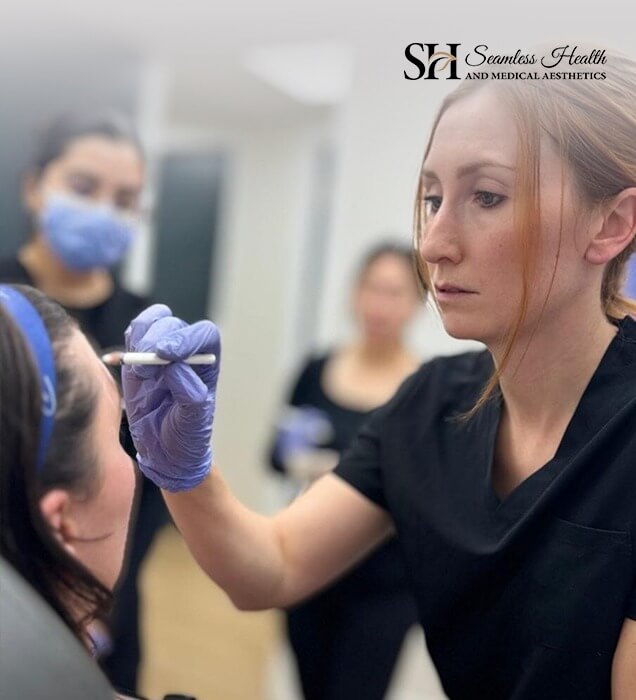
Will you inject multiple live models under supervision, or mostly observe? Confidence comes from repetition and guided practice. Watching is not the same as injecting.
-
Instructor Experience
Are you learning from an experienced NP or physician who actively injects full-time? A seasoned injector teaches nuance, assessment, and complication prevention, not just placement points. Some schools use non-regulated or unlicensed instructors.
-
Complication Management Training
Does the program thoroughly cover:
- Vascular occlusion protocols
- Emergency preparedness
- Reversal strategies
- Risk assessment
4. Accreditation & Educational Standards
Is the program accredited or built around structured learning objectives? Accreditation signals accountability, educational rigour, and credibility.
5. Mentorship After the Course
This is where many programs fall short. Most new injectors don’t struggle because they don’t understand Botox. They struggle because they don’t know how to:
- Conduct confident consultations
- Price treatments appropriately
- Build clientele
- Navigate regulatory structure
- Transition from hospital to aesthetics
Training should extend beyond the course day. Is Botox Training Worth the Investment? When done properly, yes! Absolutely.
In Ontario, injectors may charge:
- $8 to $12 per Botox unit
- $600 to $900+ per syringe of filler
With strong training and patient retention, many injectors recoup their course investment within months. But strong training is the key variable. Choosing the wrong program can delay your confidence, increase risk, and slow your income growth.
What to Look for When Choosing a Botox Training School in Canada
If you are evaluating aesthetic injector programs, ask these questions:
- Is the course hands-on with live models?
- How many students are there per instructor?
- Who is teaching, and how many years have they been injecting?
- Is complication management thoroughly taught?
- Is there structured mentorship afterward?
- Is the curriculum aligned with Canadian standards?
- Do graduates feel confident and supported?
And most importantly: Would you trust this instructor to inject your own face? If not, keep looking.
Why Nurses Choose Seamless Health for Botox & Dermal Filler Training
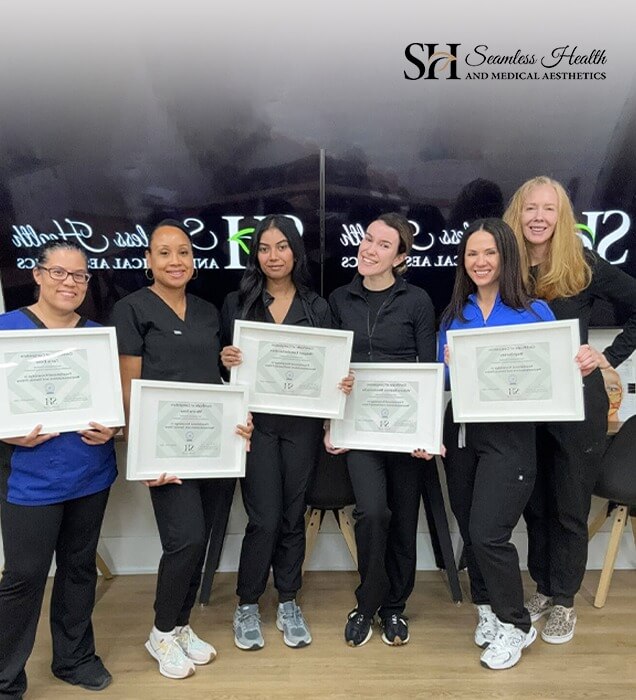
At Seamless Health & Medical Aesthetics in Stouffville, Ontario (serving Toronto and the GTA), our Botox & Dermal Filler Training Program is:
- CNA-accredited
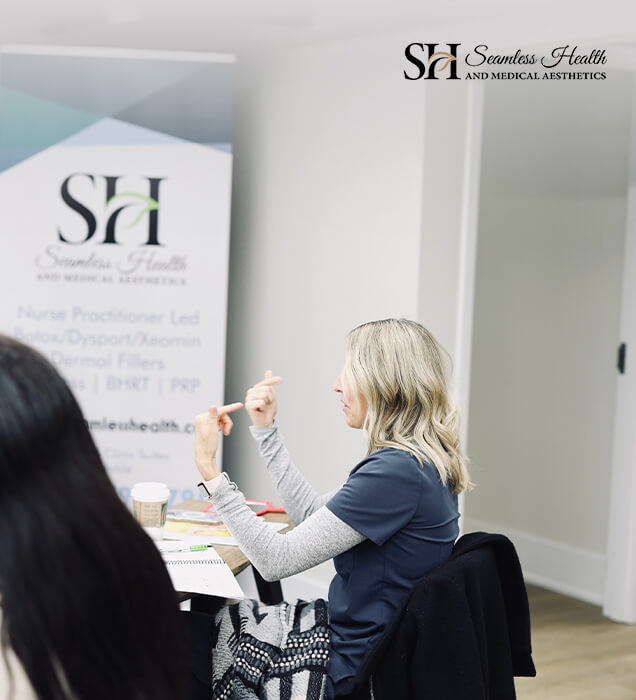
- Small group and hands-on
- Focused on natural, safe results
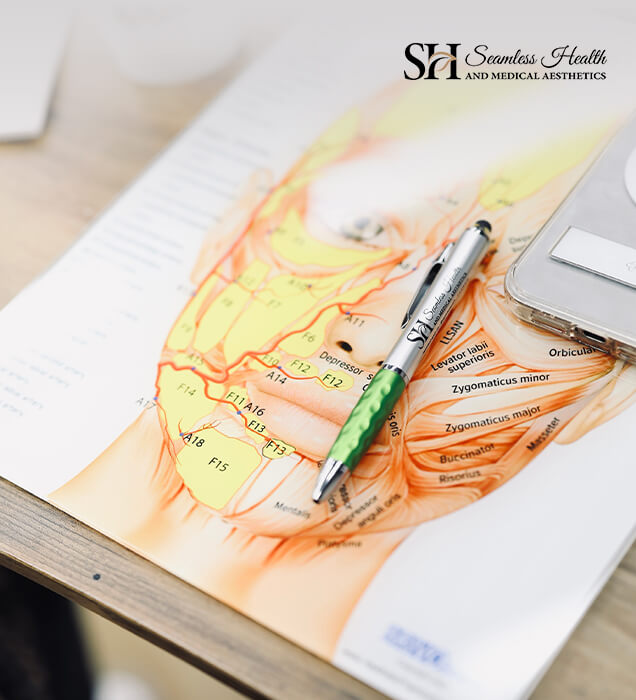
- Strongly grounded in anatomy and complication prevention
- Designed with long-term mentorship in mind
We train regulated healthcare professionals who want to build sustainable aesthetic careers, not just take a weekend course. Many of our students are nurses transitioning out of hospital roles into private practice or entrepreneurship. And they are supported long after training day.
Final Thoughts
Don’t Choose Based on Price Alone. Botox training is the foundation of your aesthetic career. Choose based on: Safety, Instructor experience, Hands-on exposure, Educational standards, Mentorship, Reputation, Not just cost. Because in aesthetics, your confidence and clinical judgment are everything.
Botox and Dermal Filler Training in Stouffville
CNA accredited, small group and hands on, strongly grounded in anatomy and complication prevention, and designed with long term mentorship in mind.
Frequently Asked Questions
How much does Botox training cost in Canada?
Botox training typically ranges between $2,500 and $8,500 depending on what is included. Botox only courses tend to fall on the lower end, and comprehensive foundational programs that include both Botox and dermal filler training sit higher.
Why does Botox course pricing vary so much in Ontario?
It comes down to how much hands on injecting you do on live models rather than observing, the instructor experience, how thoroughly complication management is covered, accreditation and educational standards, and whether mentorship continues after the course.
Is Botox training worth the investment?
When done properly, yes. In Ontario injectors may charge $8 to $12 per Botox unit and $600 to $900 or more per syringe of filler, and with strong training and patient retention many injectors recoup their course investment within months.
What should I ask a Botox training school before booking?
Is the course hands on with live models, how many students are there per instructor, who is teaching and how many years have they been injecting, is complication management thoroughly taught, and is there structured mentorship afterwards.